Window Tinting Advice & Guides for Auckland Homes and Businesses

Blog Cetagories:

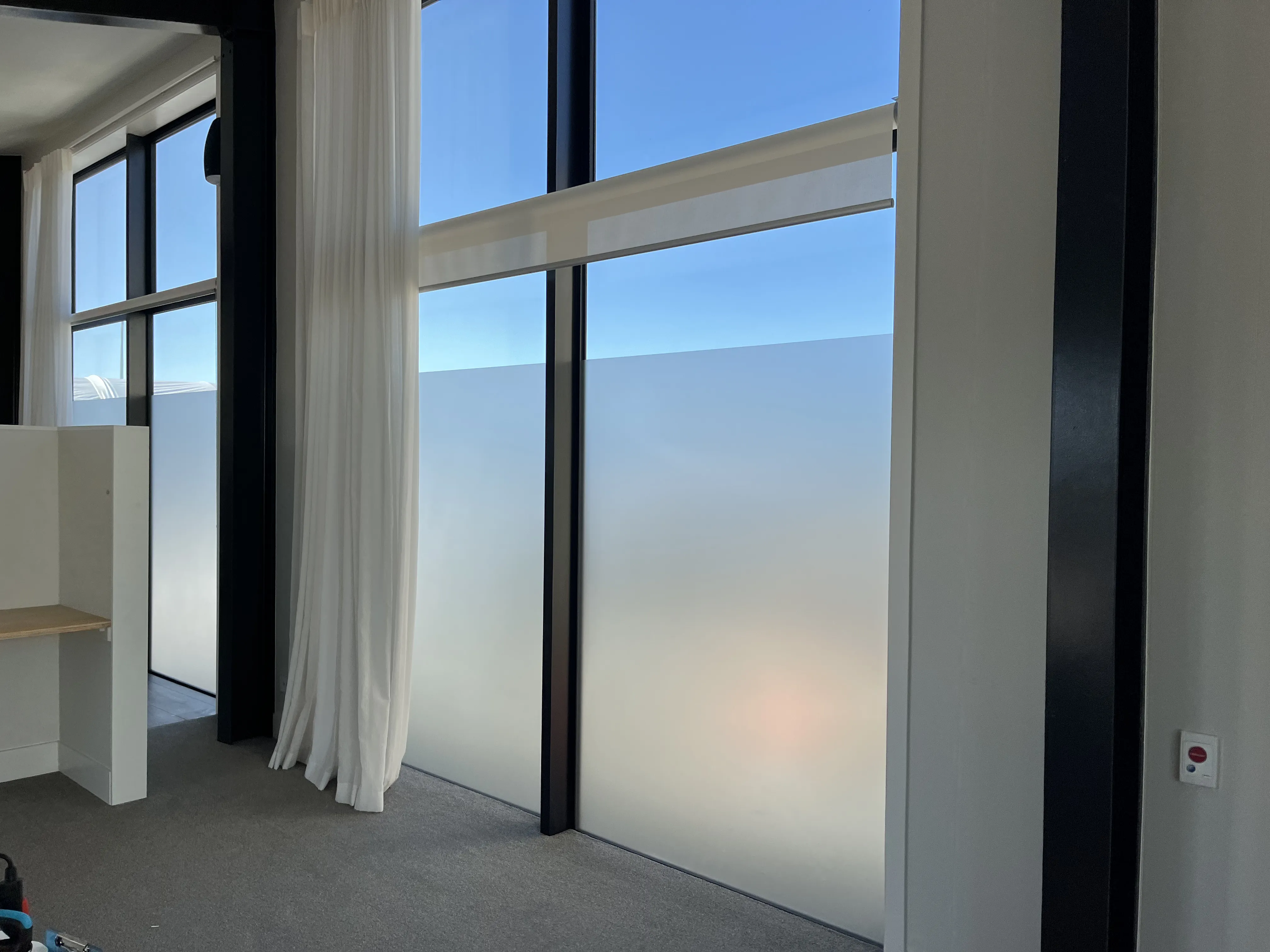
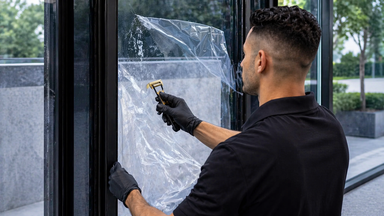
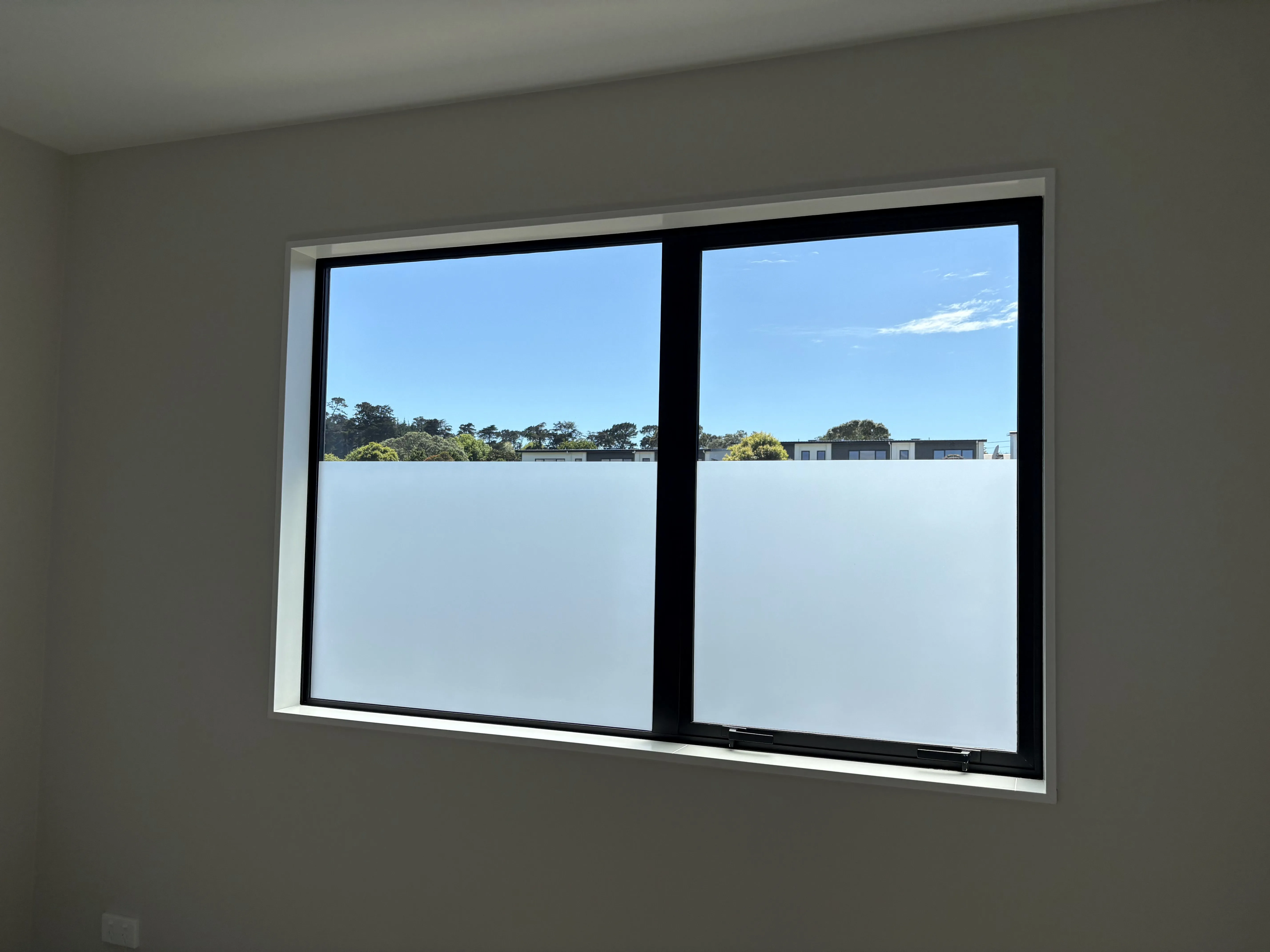
Privacy window film for bathroom windows, office glass partitions and entry doors, providing improved privacy while allowing natural light to brighten indoor spaces.

Choosing Privacy Film for Bathrooms, Offices and Entry Glass

The best privacy film is the one that screens the view you need to control while preserving the light and appearance that matter to the space. A bathroom, office partition and front-entry sidelight do not necessarily need the same finish. Start with the actual sightline and lighting, not the product
Read More »
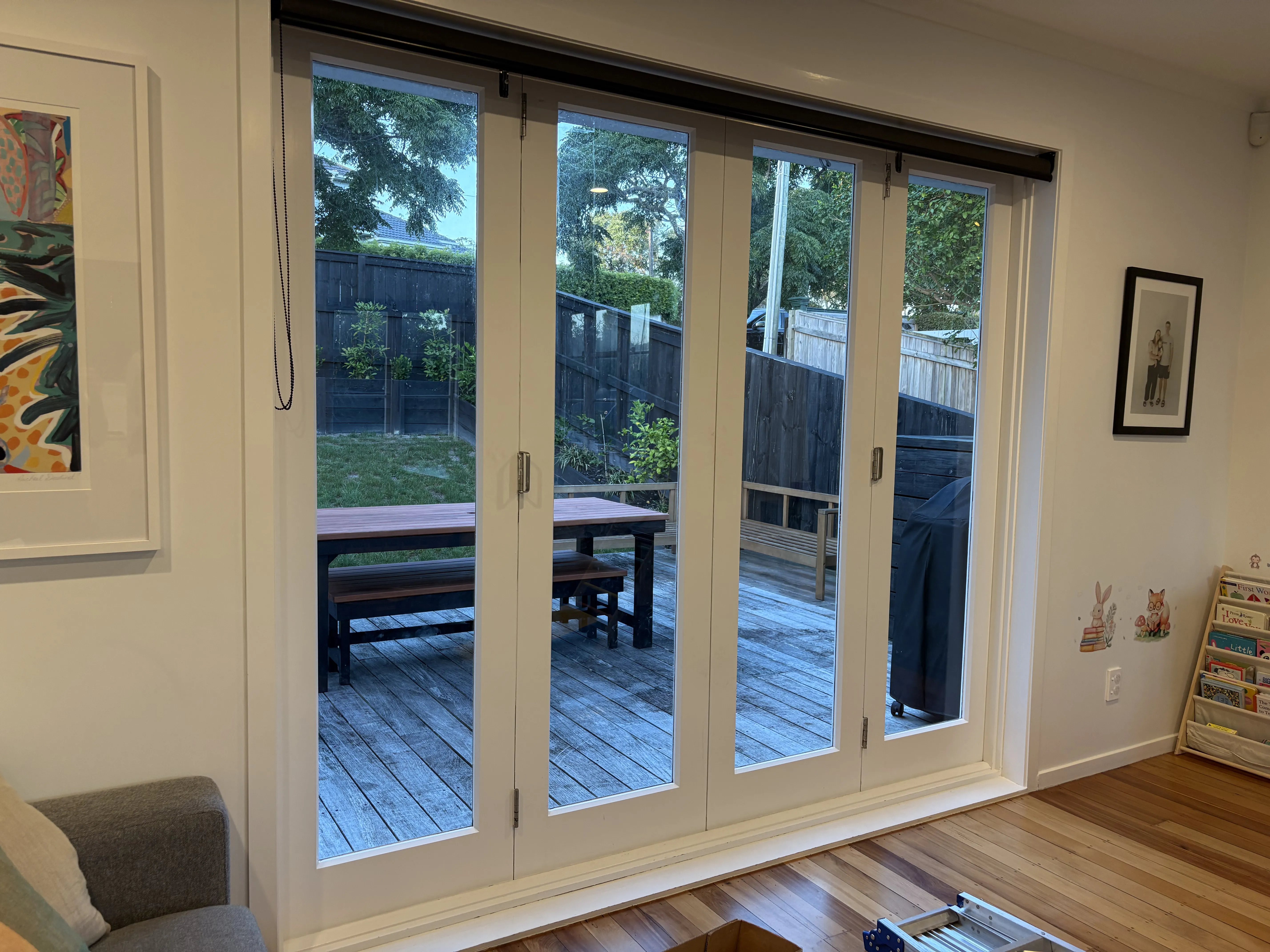
Professional window film removal and replacement, showing old window tint being removed and new film installed in the same job to restore glass appearance, improve privacy and enhance heat and UV protection.

Can Old Window Film Be Removed and Replaced in the Same Job?

Old window film can sometimes be removed and replaced as part of one coordinated job. Whether both stages can happen in the same visit depends on the existing material, the glass, access and the replacement product. The distinction matters. “One project” does not always mean “one uninterrupted visit”, and a

Read More »
Comparison of tinted, frosted and safety window films, highlighting their differences in heat and glare reduction, glass privacy, UV protection and added glass safety for homes and offices.

Tinting, Frosting and Safety Film: What Is the Difference?

Tinting, frosting and safety film are all applied to suitable glazing, but they are not three names for the same result. Solar tint changes the handling of sunlight. Frosting changes visual privacy. Safety film is specified for particular glass-breakage concerns. Some products combine features, but the function must be confirmed

Read More »
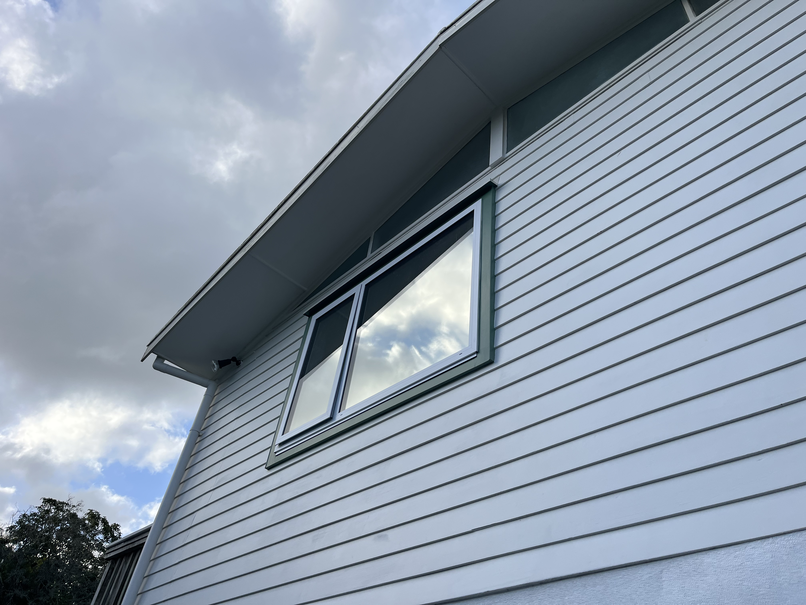
Window film installation on double-glazed glass, demonstrating how suitable window film can improve heat control, reduce glare, block UV rays and enhance privacy in residential and commercial spaces.

Can You Put Window Film on Double Glazing?

Window film can be suitable for some double-glazed windows, but the answer depends on the film and the actual insulated glass unit. Double glazing is not one universal specification, and a product suitable for one pane may be wrong for another. The decision should follow identification of the glazing, its

Read More »
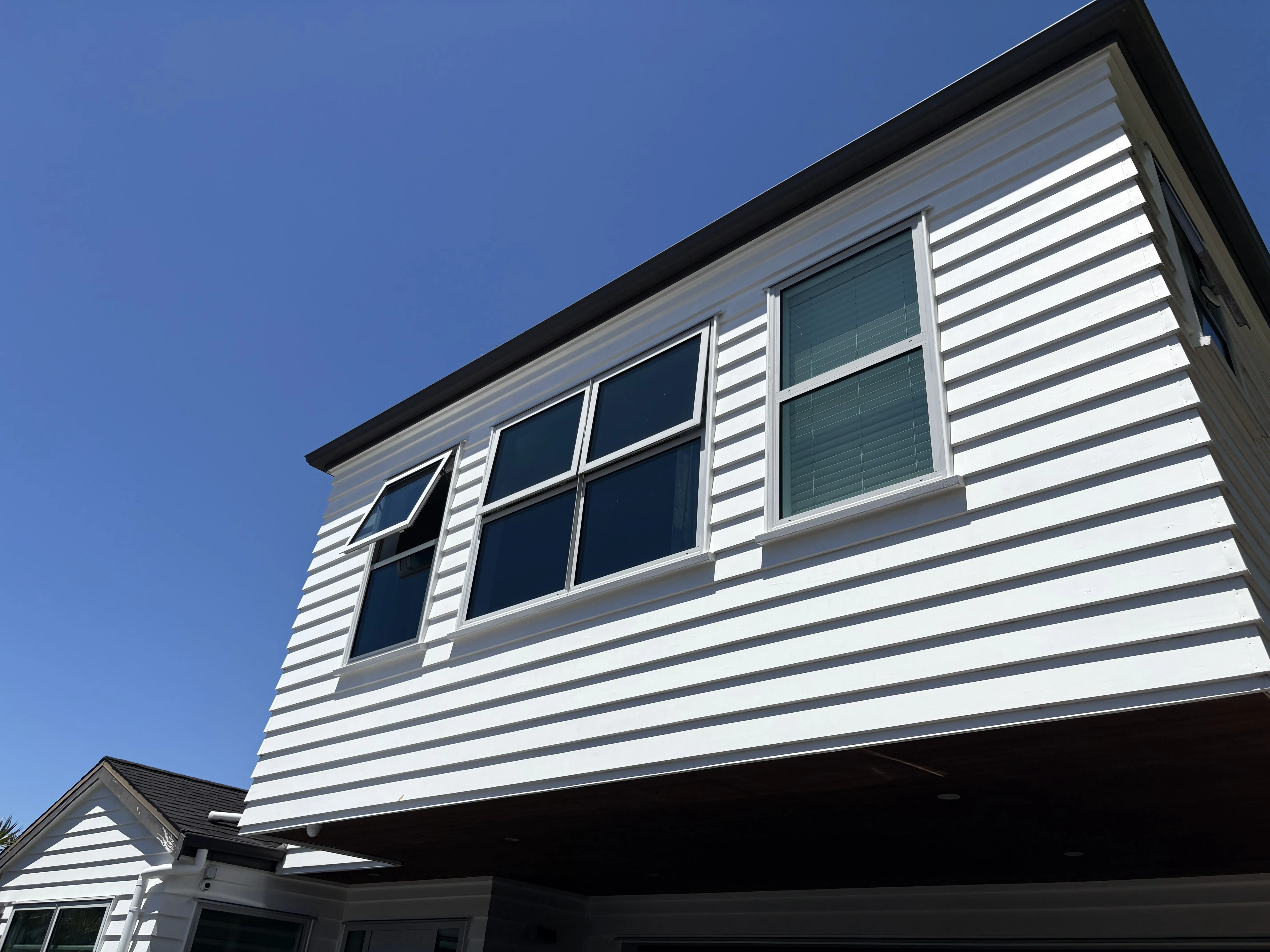
esidential window tint exposed to New Zealand weather conditions, demonstrating how quality window film withstands sunlight, UV exposure and temperature changes while maintaining heat reduction, glare control and long-term performance.

How Long Does Window Tint Last in New Zealand Conditions?

Architectural window film can remain useful for many years, but there is no single lifespan that applies to every product and pane. Film construction, internal or external application, exposure, glass compatibility, installation and care all influence the result. A more useful question than “How many years does tint last?” is

Read More »
Residential window tinting that blocks harmful UV rays, helping reduce fading and sun damage to furniture, flooring, curtains and interior furnishings while maintaining natural daylight indoors.

Does Window Tint Block UV Rays and Stop Fading?

Window film can reduce ultraviolet exposure through treated glass, depending on the product. It does not stop every cause of fading. That distinction matters when protecting flooring, fabrics, artwork or a shop display. UV is one contributor to deterioration, but visible light, heat and the sensitivity of the material also

Read More »
Residential and commercial window tinting in Auckland to reduce solar heat, control indoor temperatures, minimise glare and improve comfort in homes and office spaces.

Does Window Tint Reduce Heat in Auckland Homes and Offices?

Suitable solar-control window film can reduce solar heat gain through treated glass. That can help a sunny room feel more comfortable, but it is not a promise that every room will become a fixed number of degrees cooler. The result depends on the film, glazing, sun exposure, shading and the

Read More »