
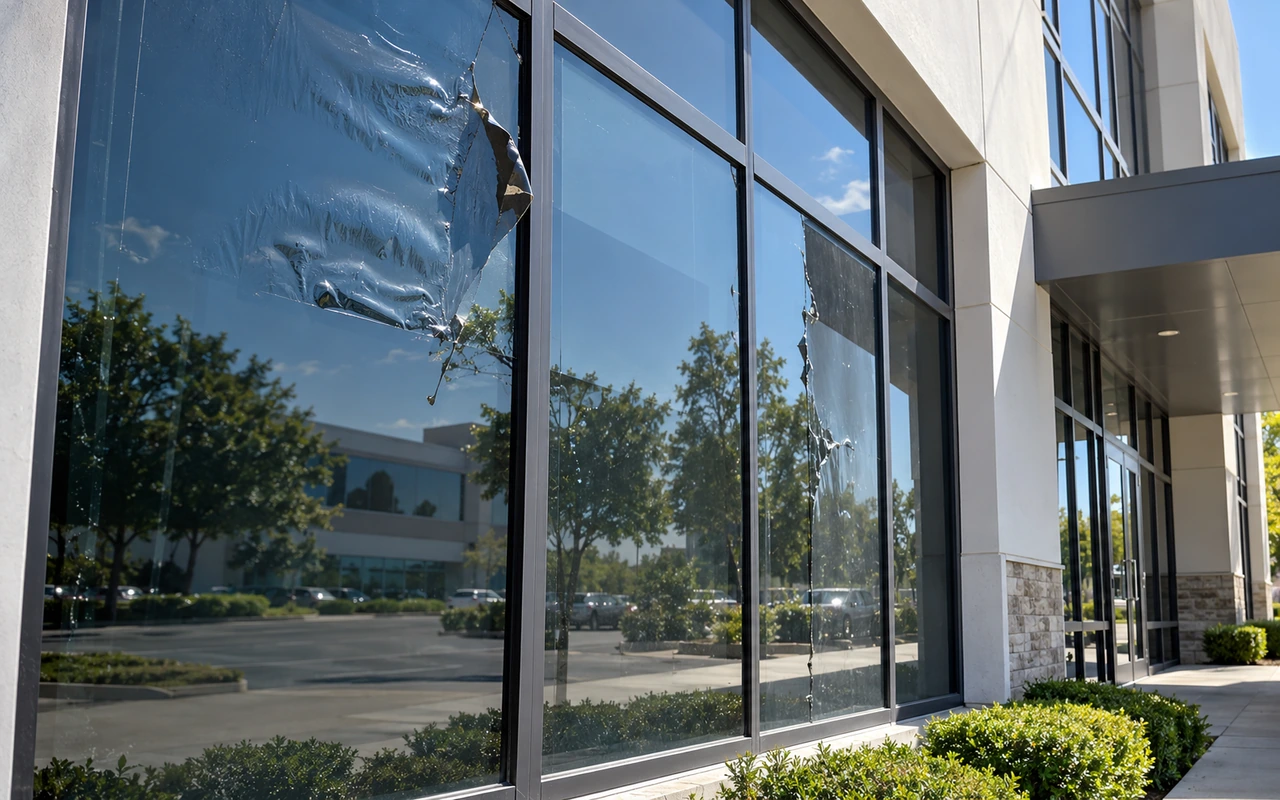
Bubbling window tint can mean different things depending on when it appeared. A newly installed film may show temporary moisture patterns while it dries. An older layer with persistent bubbles, lifting edges or visible deterioration needs a different assessment.
Before removing anything, establish the installation date and the location of the problem. Do not puncture a bubble, heat the pane or scrape the surface to test it. Those actions can damage film or glass without addressing the cause.
Was the film installed recently?
Installation involves moisture, and the appearance can change during curing. Temporary haze and small water patterns may be expected for the particular product. Drying time depends on the film, glass and environmental conditions.
Follow the written guidance for the actual installation rather than a universal number of days found online.
Avoid pressing on the film or using cleaning products before the installer says it is ready.
If a new area looks unusual, send photographs to the installer and explain when it appeared. A photograph can help triage the concern, but the installer may need to examine it before deciding whether it is normal curing or an installation issue.
Persistent bubbles in established film need a closer look
A film that has been settled for a long time should not be assessed in the same way as a new installation.
Bubbles may be associated with adhesion problems, contamination, deterioration or damage, but the cause cannot be diagnosed reliably from shape alone.
Check whether the issue is isolated to one pane or appears across a particular elevation. Note any edge lifting, colour change, scratching or recent cleaning activity. Do not assume strong sunlight is the sole cause simply because the window faces the sun.
The wider window-film replacement checklist helps distinguish a single visual issue from a broader condition problem.
Check which layer is actually affected
A patch that looks like a bubble from across the room may be a surface mark or an issue behind the film.
Haze between the panes of double glazing is a separate problem from an applied surface film.
Look from different angles without pressing or scraping. Tell the assessor whether the pane is double glazed, coated, previously replaced or already damaged. If the glazing itself is defective, film removal alone will not fix it.
The final decision should be based on the material and glass condition, not only on the description “bubbly tint”.
Why a quick home repair can make matters worse
Puncturing film creates a permanent hole. Scraping can scratch an unsuitable surface, while unapproved heating or chemicals may introduce other risks. Even where a patch temporarily looks flatter, that does not establish that adhesion or appearance has been restored.
Do not apply a second layer to hide the problem unless a specific, approved system calls for it. A replacement film needs a suitable substrate and the manufacturer’s compatibility requirements still apply.
Professional assessment is particularly important for large panes, difficult access, coated glass and old brittle film. The safe method is not the same for every window.
Decide whether removal is the appropriate next step
Where the film is genuinely deteriorated, professional tint film removal may be more appropriate than trying to patch its appearance. The scope should identify the affected panes, old adhesive, access and intended finish.
Removal can reveal marks or damage that were hidden by the old material. It should not be promised to return every pane to an as-new condition. The separate adhesive residue guide explains why the appearance after peeling is not the whole preparation task.
A single-pane replacement may be possible, but appearance matching can be difficult if the original product is unknown or has changed over time. Review that before treating an isolated replacement as visually invisible.
Choose the replacement for the actual need
Do not automatically order the closest-looking tint. Revisit the reason film is needed: glare at a desk, solar heat, visual privacy or another application. A changed room layout may call for a different balance of daylight and control.
The new product must suit the identified glass. That is especially important where the building contains different glass types or earlier replacement panes. Manufacturer guidance on compatibility and solar absorption should be checked rather than inferred from colour.
Discuss whether removal and replacement can be coordinated in the same job. That depends on scope, surface condition, access and the selected material, so it is not something to assume before inspection.
Keep a useful record of the issue
Take one photograph of the whole window and a closer image of the affected area. Include the approximate installation date, product or invoice details if available, and when the appearance changed.
For commercial premises, identify the room or pane number. For a home, note whether the problem affects a sliding door, a fixed window or another opening. These details make an enquiry more useful than a close-up with no scale or context.
Frequently asked questions
Will bubbles disappear by themselves?
Some moisture effects in newly applied film can change during curing. Persistent bubbles in an established film should not be assumed to resolve in the same way. Ask the installer or assessor which condition applies.
Can I puncture a bubble with a pin?
Do not puncture it. That damages the film and does not establish or correct the underlying cause.
Does bubbling mean the glass is damaged?
Not necessarily. The film and glass need to be assessed separately. Removal may reveal the underlying surface more clearly, but a bubble alone is not a diagnosis of glass damage.
Can new tint be fitted after the old layer is removed?
Often a suitable new installation can be considered once the glass is assessed and prepared. Compatibility, existing damage and access must be checked first.
Get the film checked before trying a repair
Contact Clear View Tints with photographs and the installation history. The first decision is whether the appearance relates to curing, film deterioration or the glazing itself; the removal and replacement plan follows from that assessment.
Technical references
- LLumar: architectural film care and maintenance
- International Window Film Association: glass compatibility, fading and lifespan
- Avery Dennison: architectural film installation and maintenance, February 2026