
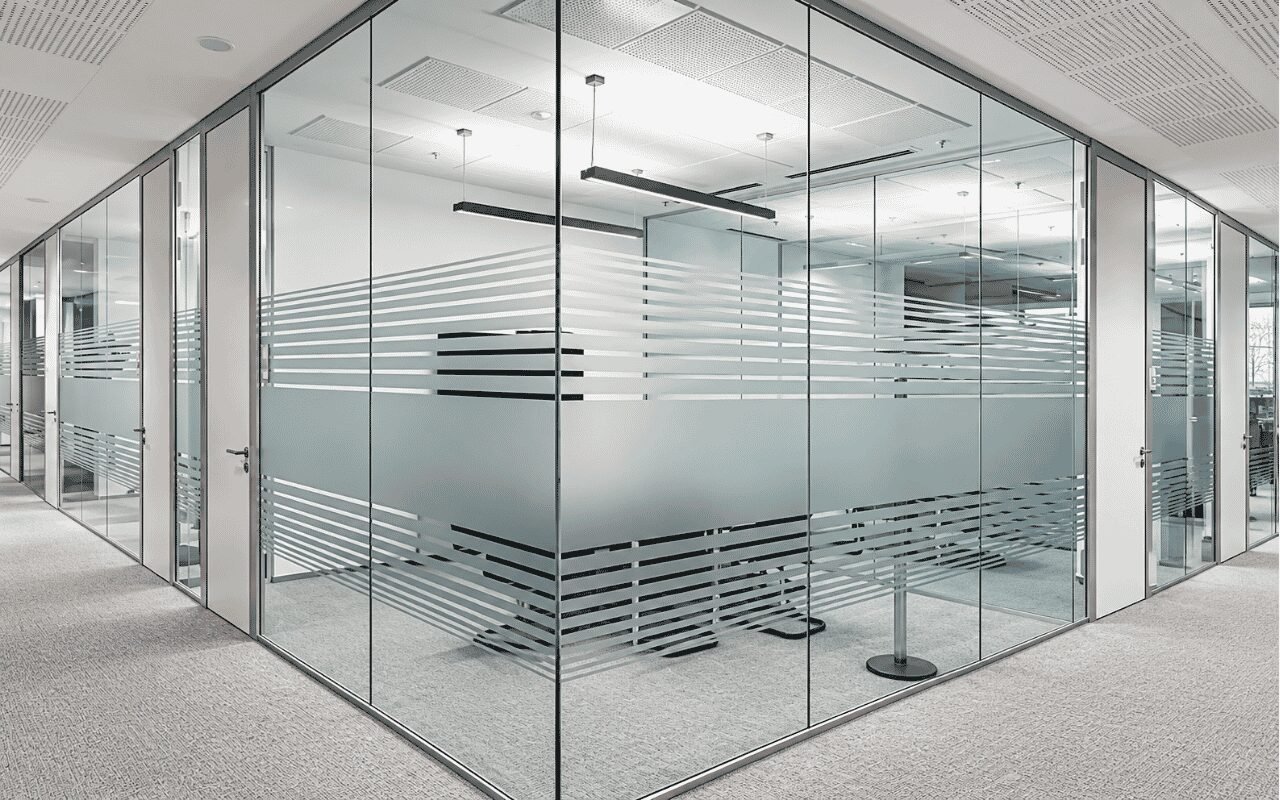
Safety film should be selected for a defined glass-related risk, not simply because a pane is large or close to a busy walkway. The existing glass, frame, location and required performance all matter.
Certain safety and security films are designed to retain broken fragments and, in appropriate tested systems, delay some forms of entry. They do not make glass unbreakable or remove the need for suitable glazing, secure frames and a wider safety or security plan. Product installation requirements can include attachment to the frame for particular applications.
Before arranging safety and security window film in Auckland, establish what the building needs to achieve and who is responsible for approving the solution.
Begin with the risk and the existing glass
An office partition beside a walkway, a shopfront and a high-level pane can present different concerns. The specification should say whether the objective is fragment retention, a particular human-impact requirement, an intrusion-delay measure or another defined outcome.
Collect the glass details where available: type, thickness, dimensions, existing markings, coatings and condition. Note whether the pane is annealed, toughened or laminated rather than assuming all clear glass behaves the same way when broken.
Record cracks, chips, loose frames and other defects. Film should not be used to conceal a known glazing problem. Damaged or unsuitable glass may require repair or replacement before any film proposal is considered.
Safety film is not the same as ordinary tint
Solar-control tint is generally selected for heat, glare and light management. Decorative frosting is generally selected for visual screening and appearance. Neither should be described as having a safety rating just because it adds a layer to the glass.
A safety-film product must be assessed using evidence for the relevant installation. That evidence should identify the film, glass and any required attachment system. Thickness alone is not a complete description of performance.
The terms ‘safety’ and ‘security’ are also not interchangeable promises. A product intended to help retain fragments must not automatically be advertised as stopping an intruder. Ask for the stated application and limitations in writing.
Treat building compliance as a separate verification task
New Zealand building requirements depend on the location and use of the glazing. MBIE’s guidance on hazardous building materials is a starting point for the responsible designer or glazing professional, not a substitute for checking the actual installation.
Do not assume that adding film converts every existing pane into an approved safety-glazing solution. Where a project requires a particular standard, the evidence and acceptance route need to be checked before work proceeds.
This is especially important for doors, circulation areas, elevated glass and other locations where an incorrect assumption could have serious consequences. A sales description or an unverified ‘compliant’ label is not adequate evidence.
Offices, schools and public-facing premises need different briefs
In an office, a review may begin with internal glazing around meeting rooms and busy routes. In an education setting, supervision, room use and the building’s existing glazing requirements also matter. The broader school window film guide discusses how privacy, glare and safety objectives should be considered separately.
A clinic or retirement facility may also need visual privacy, cleaning compatibility and careful access arrangements. Those needs do not change the requirement for a suitable glass-safety specification.
For a shopfront, security planning extends beyond the pane to locks, frames, access control and response arrangements. Film may be one component, but it should not be described as a complete security system.
Ask for the installation details, not only the product name
A useful proposal identifies the exact film, the intended pane locations, the existing glass and the installation method. Where an attachment system is required, it should be included in the scope rather than treated as an optional cosmetic extra.
Clarify the frame condition, any edge-sealing requirements and the conditions needed for installation and curing. The manufacturer’s instructions for that product take priority over a generic method used on another type of film.
Keep the documentation after completion. Future work on the frame, glazing or film could affect the intended installation, so maintenance teams need to know what has been fitted.
Know when glass replacement is the better route
A film solution is worth considering where the existing glazing is suitable and the intended performance can be supported. It is not the right shortcut for every damaged, incorrectly specified or deteriorated window.
If the pane is cracked, the frame is unsound or the required performance cannot be established, obtain advice on replacement. Our window film versus glass replacement guide explains how to separate a surface-treatment improvement from a glazing problem.
If the same project also needs solar control or privacy, specify those requirements separately. A combined product may be available for some applications, but each claimed benefit still needs checking.
Prepare a useful assessment request
Provide the building use, photographs of the glass and frames, approximate sizes, known glazing details and the reason for considering film. Include any specification or report supplied by a designer, insurer or building representative.
Identify who can approve the work and arrange access without exposing occupants to the work area. Avoid promising a completion date before the system requirements and site conditions have been assessed.
Frequently asked questions
Does safety film stop glass breaking?
No. Its role depends on the product and installed system. Do not treat it as a guarantee against breakage, injury or intrusion.
Can ordinary tint meet the same requirement?
Only where there is appropriate evidence for that exact product and installation. A solar-control or decorative label is not a safety specification.
Can safety film be applied to any existing pane?
No universal approval should be assumed. The glass, frame, surface condition and intended application must be checked.
Can safety film also provide privacy or heat control?
Some products combine functions, but the privacy, solar and safety properties should each be verified. The most suitable solution may use different films on different panes.
Discuss a commercial glass assessment
Contact Clear View Tints with the glazing details and intended safety outcome. A careful assessment is more useful than selecting film solely by thickness or assuming every existing pane can be upgraded in the same way.
Related reading
Technical references
- 3M Safety S80 technical data: application limitations
- MBIE Building Performance: F2 hazardous building materials