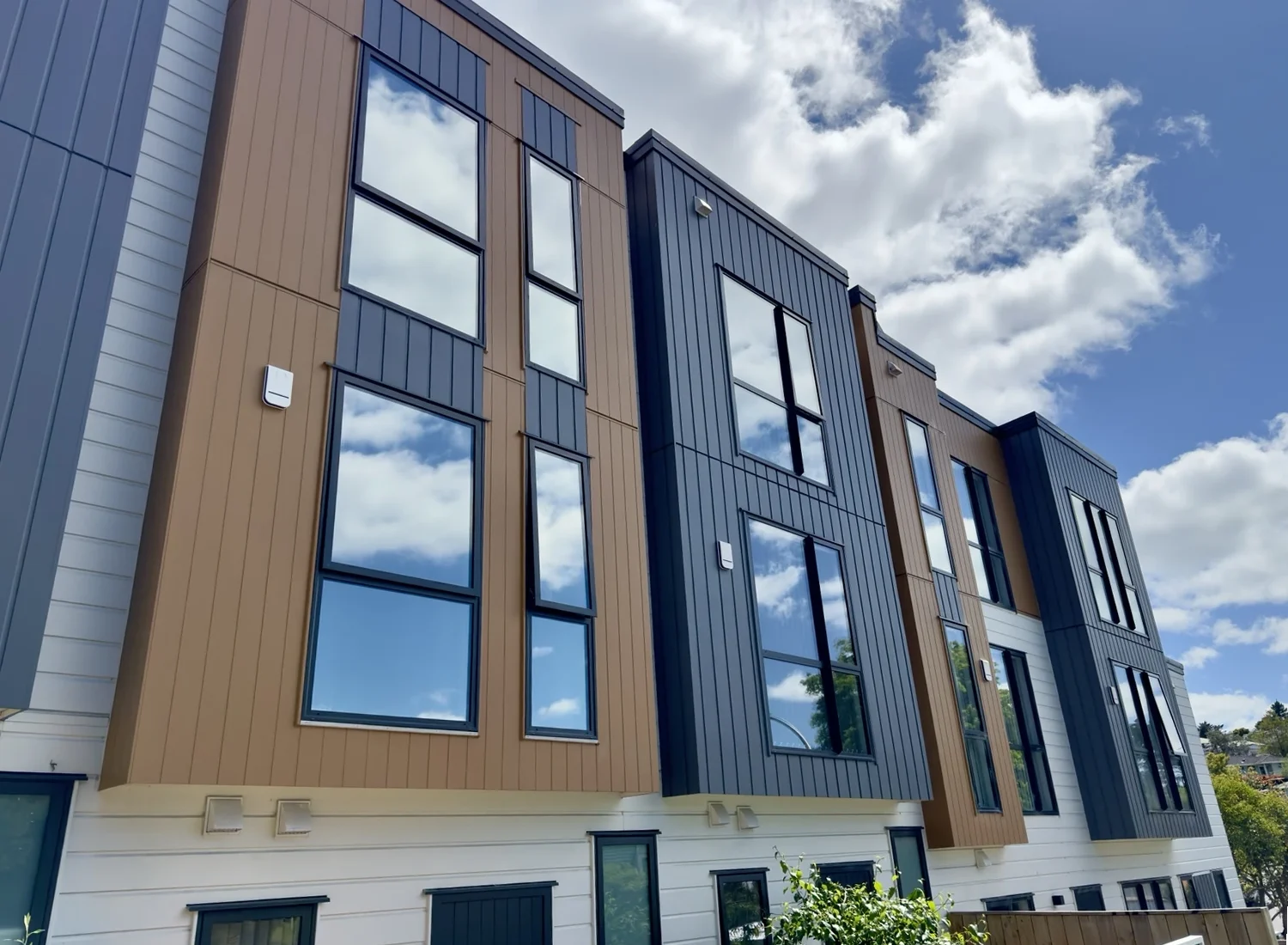
Privacy film can help screen views through glass in consultation rooms, reception areas and care facilities. Its value depends on covering the right sightlines while retaining suitable daylight and visibility for the way the space is used.
The choice should not be reduced to whether a film looks frosted. A room used for a private consultation has different needs from a staff office or an observation area. Film is a visual treatment; it does not provide acoustic privacy or, by itself, establish compliance with a facility’s privacy or safety obligations.
Clear View Tints provides commercial window frosting for Auckland premises. A site-specific brief helps identify suitable glazing and the extent of screening needed.
Define what must not be visible
Record the views that concern the facility: a consultation chair seen from reception, paperwork visible through a partition, or movement behind a staff-area window. Assess these from the positions visitors and staff actually occupy.
Include seated and standing sightlines, changes in floor level and views through open doors. Check whether a narrow band would leave a screen or person visible above or below it. The closer a subject is to translucent glass, the more apparent a silhouette may be under some lighting conditions.
A sample should therefore be reviewed in the real room rather than approved solely from a catalogue image.
Frosted films are available in different appearances and light-transmission levels.
Consultation and treatment rooms
Where strong visual screening is needed, consider whether fuller coverage is more suitable than decorative banding. Transparent logos, clear borders or gaps around a design can undermine an otherwise useful privacy treatment.
The facility should decide what supervision or observation must remain possible. Film must not obstruct a deliberately required sightline without an appropriate decision from the people responsible for the space.
Private conversations also depend on doors, walls and acoustic conditions. Do not promise confidentiality simply because glazing has been frosted. The room’s wider design and operating procedures remain important.
Reception and administration areas
A reception desk may need selective screening of staff work rather than the removal of every clear view.
Identify whether the issue is a computer display, a storage area, a consultation-room entrance or a staff circulation route.
The design should also preserve navigation and a welcoming entry. Screening an entire frontage can change how visitors understand the space. Consider where signs, doors and reception staff need to remain visible.
For administration offices, review the desk layout before settling on a band height. A small change in screen position may alter the area of glass that needs treatment.
Care facilities and shared living environments
In retirement and aged-care settings, privacy needs can differ between private rooms, communal lounges and staff areas. Avoid applying one standard frost pattern across all of them without checking the purpose.
Consider daylight, the view out, staff responsibilities and the preferences of the people using the space. A treatment suitable for an internal consultation partition may be inappropriate on a resident’s principal outlook.
Where several buildings or different room types are involved, the retirement-village planning guide explains how to separate room requirements within a wider programme. Do not assume each building has identical glazing.
Check cleaning and existing surface treatments
Facilities may use specific cleaning products and procedures. Identify them before film selection and confirm compatibility with the intended film. A manufacturer’s generic care advice should not be interpreted as approval for every disinfectant or cleaning method used on site.
Existing glass coatings, old frosting and damaged film need assessment. Where removal is required, define the privacy-film removal scope and temporary screening arrangements before the old material is taken down.
After installation, give the cleaning team the correct curing and care instructions. Abrasive cleaning and unsuitable scraping can damage the film surface; the product-specific instructions should be retained with maintenance records.
Keep solar control and safety requirements distinct
An internal frosting specification may not solve heat or glare at an exterior window. For sunny consultation rooms or waiting areas, commercial solar-control tinting may need separate consideration.
Likewise, decorative film should not be described as safety glazing. If the facility has a glass-safety concern, discuss safety and security film and obtain an assessment of the glass and required performance.
Some products may combine functions, but each property should be supported by the relevant specification.
Avoid describing every privacy film as providing identical UV, heat or impact protection.
Arrange work around sensitive spaces
Identify which rooms can be taken out of use, how equipment and personal information will be protected and who will authorise access. A treatment room should not be assumed available simply because an appointment is not currently scheduled.
Discuss preparation products, ventilation, noise and any infection-control requirements with the facility before confirming work. The agreed plan must suit the site; it should not rely on a promise of zero disruption.
Photographs used for quoting should avoid personal information and identifiable patients or residents. Keep sensitive information out of any images shared beyond the authorised project team.
Frequently asked questions
Does frosting provide privacy at night?
A suitable frosted or opaque film can screen views without relying on a daytime reflective effect. The exact level of privacy still depends on coverage, product, lighting and how close objects are to the glass.
Can a decorative band protect a consultation room?
It may screen a particular sightline, but its height and coverage must be tested for the room’s actual use. It is not automatically sufficient for sensitive spaces.
Will the film work with existing cleaning procedures?
That needs checking against the selected product. Give the installer the relevant cleaning information before approval.
Discuss a privacy-film assessment
Prepare photographs of the glazing, the sightlines requiring screening and any cleaning or access constraints.
Contact Clear View Tints to discuss a privacy treatment suited to the actual facility rather than a generic office design.
Related reading
Technical references
- LLumar: frosted decorative film
- Avery Dennison: architectural film installation and maintenance