
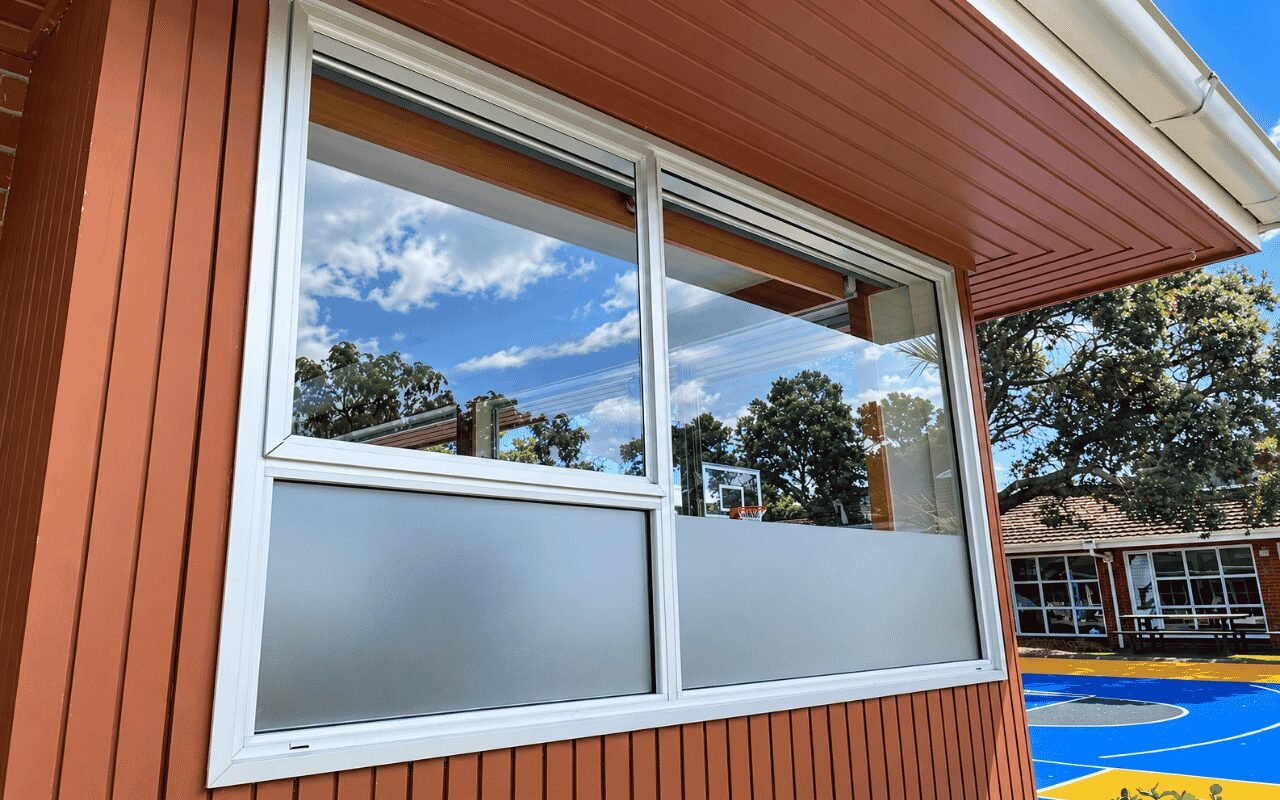
A patch of faded flooring or an uneven display can be difficult to ignore once it appears. For a business, the better time to assess sunlight exposure is before new furnishings, finishes or merchandise spend months beside untreated glass.
Window film can reduce UV reaching the interior and may also provide solar or glare control, depending on the product. It cannot reverse existing fading or guarantee that every material will retain its colour.
Protection needs to be matched to the glazing and the items at risk.
Clear View Tints offers commercial window tinting in Auckland. This guide focuses on using film as part of a practical plan for offices, retail displays and other commercial interiors.
Identify what is exposed and for how long
Look at the materials closest to the windows: floor finishes, upholstery, timber, printed graphics, merchandise and furniture. Record whether they receive direct sun, bright indirect light or only occasional exposure.
The same product may be displayed in several positions with different light conditions. Move beyond a simple ‘sunny shopfront’ description and identify which panes and display zones matter most.
Where a high-value item has care guidance from its manufacturer or conservator, use that guidance in the assessment. Not every material responds to light in the same way, and film is not a substitute for specialist conservation advice.
Understand what UV protection does not promise
UV is one contributor to fading. Visible light, heat, material chemistry and time can also affect appearance.
Industry guidance is clear that window film cannot eliminate fading entirely.
A high UV-rejection figure does not mean that an interior receives no solar energy or that furnishings cannot deteriorate. Nor does a nearly clear appearance tell you the exact UV performance. Check the specification for the actual product proposed.
For a fuller explanation of these distinctions, see UV protection and fading through windows. That guide is useful when comparing product claims rather than assuming every film marketed as ‘UV film’ performs identically.
Offices: include the fit-out, not just the windows
An office assessment can start with sun-exposed flooring, reception furniture and desks close to perimeter glazing. Ask whether there are also complaints about glare or heat, because a product chosen solely around UV may not address those issues sufficiently.
Consider the appearance required for client-facing spaces. The film should be viewed against the actual interior finishes so a colour cast or reflection is noticed before a large installation is approved.
Avoid using film performance as a guarantee that expensive finishes will no longer need maintenance or replacement. The sensible objective is to reduce a relevant exposure, not to promise a fixed extension of every furnishing’s life.
Retail: balance protection with display visibility
A shopfront needs its merchandise to remain visible and its colours to be represented appropriately. A strong tint may reduce glare but also alter how the display looks from the street. Assess that trade-off with a sample and the normal display lighting.
Do not position sensitive stock in prolonged direct sun simply because film has been installed. Rotation, placement and suitable shading may still be appropriate. Film can be one part of the display plan rather than the only protective measure.
The retail window film guide covers shopfront visibility, screen glare and presentation alongside UV concerns.
Hotels and shared commercial spaces
Lounge seating, guest-room fabrics and common-area flooring can all be exposed differently across a building. Assess the rooms and elevations individually instead of assuming a single facade specification suits every interior.
Where views and daylight matter, compare the accepted film sample in the space. Use curtains or blinds where adjustable shading or night-time privacy is still needed.
The hotel window film guide separates guest-room, lobby and conference-space needs. That distinction is useful when a protection brief is being combined with wider comfort improvements.
Compare the relevant specification
Ask for the product identity and performance data for the proposed glass combination. Distinguish UV rejection from visible light transmission, solar heat gain and glare reduction. These describe different properties and should not be merged into one ‘protection percentage’.
Confirm suitability for existing double glazing, coatings or unusual panes. Where older film is present, include removal and surface preparation in the discussion before deciding on a replacement.
A sample can help assess appearance but cannot establish every performance property by eye. Use it alongside the technical information, not instead of that information.
Make the protection plan maintainable
Record which panes are treated and retain the film details. Give cleaners suitable instructions and avoid scraping or abrasive methods that can damage the surface. Do not attach signage or tape to treated panes without checking the implications.
Keep a baseline record of exposed materials before installation. When reviewing the result, distinguish changes in furniture placement, lighting and product stock from the effect of the film itself. Photographs taken with different camera exposure should not be presented as a measured performance test.
For valuable displays, review the broader lighting and placement strategy periodically. Changes to the interior can create a new exposure even if the window film remains in good condition.
Frequently asked questions
Will UV film restore faded furniture or flooring?
No. It may reduce further UV exposure, but it does not reverse damage already present in the material.
Does a high UV rating mean strong heat reduction?
Not necessarily. UV, solar heat and visible light are different parts of the specification. Compare the properties needed for the actual room.
Does clear film provide the same result as a darker tint?
The appearance alone is not enough to decide. Compare the product data and assess daylight, glare and colour requirements together.
Protect the right areas first
Identify the most exposed windows and the materials you want to protect. Request a commercial window film assessment from Clear View Tints, with photographs and any available glazing information, so the recommendation reflects the interior as well as the glass.